The Future of Sustainable Practices in the Aluminum Foundry Field
Lasting methods in the Aluminum Foundry industry are becoming increasingly vital. As worldwide understanding of environmental issues grows, foundries face mounting stress to embrace greener methods. Innovations in energy performance and waste reduction are arising, yet considerable challenges continue to be. The sector's action will form its future. Exactly how will these advancements impact production and the total environment? The answers might redefine the landscape of Aluminum manufacturing.
The Relevance of Sustainability in the Aluminum Foundry Sector
Sustainability is an essential factor to consider in the Aluminum Foundry industry, as it straight impacts ecological preservation and resource administration. The manufacturing procedures involved in Aluminum production can take in substantial energy and create waste, necessitating the fostering of lasting methods. Implementing recycling campaigns enables shops to reclaim Aluminum, reducing the demand for virgin material and reducing power consumption. Furthermore, optimizing manufacturing techniques to boost energy effectiveness can bring about substantial decreases in carbon exhausts.
The use of eco-friendly products and innovations is another essential element of sustainability. By focusing on environmentally friendly additives and gas, foundries can likewise reduce their eco-friendly impact. In addition, sustainability methods cultivate a favorable corporate image, attracting investors and customers who prioritize environmental responsibility. Ultimately, accepting sustainability in the Aluminum Foundry field is not just a fad yet a need for future stability, guaranteeing the market can satisfy growing demands while preserving the earth for future generations.
Current Challenges Facing Aluminum Foundries
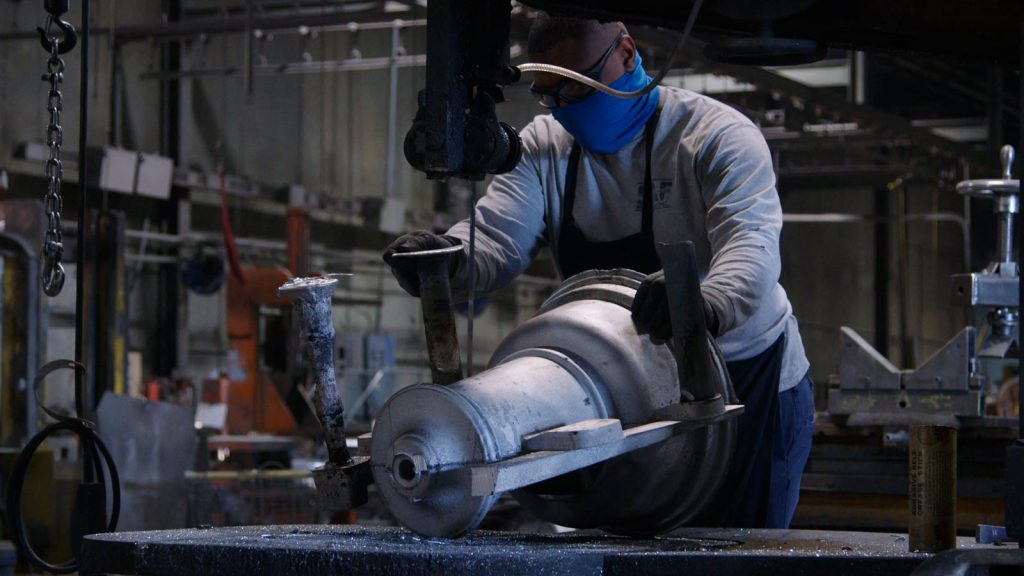 Aluminum shops face substantial challenges that prevent their sustainability efforts. High energy intake remains an important concern, together with the intricacies of effective waste administration. In addition, regulative conformity positions challenges, as shops must navigate an advancing landscape of environmental criteria.
High Power Consumption
How can Aluminum factories properly resolve journalism obstacle of high energy consumption? To reduce this problem, shops can implement sophisticated modern technologies such as energy-efficient heaters and automation systems that optimize production processes. Retrofitting existing equipment with energy-saving components can also lead to considerable reductions in energy usage. Using alternative energy sources, such as solar or wind power, can lessen reliance on fossil gas and reduced total carbon impacts. Worker training and understanding programs can additionally promote energy-conscious techniques within the labor force. Constant tracking of power usage and performance metrics enables shops to recognize inefficiencies and execute restorative measures. By taking on these approaches, Aluminum factories can considerably lower their power usage while enhancing sustainability initiatives.
Waste Administration Issues
The Aluminum Foundry industry faces substantial difficulties relating to waste management, particularly as the sector attempts to boost its ecological performance. A main concern is the generation of unsafe waste, consisting of spent dross, chemical, and sand residues, which need mindful handling and disposal. Furthermore, reusing rates for Aluminum scrap can differ, causing excess material that might not be properly reused. Functional ineffectiveness better contribute to throw away, as outdated procedures can create even more scrap than necessary. The lack of standardized waste administration techniques throughout facilities complicates efforts to embrace lasting remedies. As foundries work to lessen their ecological impact, attending to these waste monitoring concerns is important in advertising an extra lasting Aluminum production cycle.
Regulative Conformity Difficulties
Steering the facility landscape of governing conformity provides a substantial obstacle for shops within the Aluminum sector. Regulatory frameworks, often identified by regular updates and varying local, national, and international needs, can create confusion and functional troubles. Shops have to browse rigid ecological guidelines worrying discharges, waste management, and resource use, which aim to reduce their environmental footprint. In addition, conformity with security guidelines is extremely important to ensure worker protection, demanding continuous training and investment in safety and security equipment. The economic worry of satisfying these regulatory criteria can stress sources, specifically for smaller foundries. As the sector progresses, adapting to these conformity difficulties while aiming for lasting methods remains a vital hurdle for Aluminum shops seeking lasting practicality.
Innovations in Power Efficiency
As the Aluminum Foundry field seeks to decrease its environmental impact, innovations in power efficiency have arised as a critical emphasis. Advanced melting technologies, such as induction melting and electrical arc furnaces, considerably minimize energy consumption contrasted to conventional approaches. These technologies improve thermal performance, enabling quicker thaw times and less energy waste.
In addition, the integration of real-time tracking systems enables factories to maximize energy use by supplying data-driven understandings right into functional performance. Aluminum Foundry. This permits adjustments to be made proactively, decreasing unneeded power expense
Furthermore, the fostering of regenerative heaters in furnaces recycles warm, additional improving performance. These developments not only lower functional expenses however likewise line up with international sustainability objectives. As the sector proceeds to advance, the focus on energy-efficient techniques is positioned to reinvent the Aluminum Foundry field, ensuring a more sustainable future.
Advances in Waste Decrease Techniques
With advancements in energy effectiveness leading the way for more lasting operations, waste reduction strategies have actually likewise acquired traction in the Aluminum Foundry sector. pop over here Foundries are increasingly adopting lean production principles to reduce waste generation throughout their procedures. Carrying out techniques such as value stream mapping enables operators to identify and remove non-value-added tasks, which markedly lowers scrap manufacturing.
Additionally, developments in process automation have actually improved accuracy in casting, thereby decreasing the incidence of defects and linked waste. The combination of real-time surveillance systems permits prompt discovery of irregularities, assisting in prompt restorative activities that reduce worldly loss.
Furthermore, factories are discovering using different basic materials and ingredients that can improve yield and reduce waste. These initiatives not only contribute to sustainability objectives yet additionally lead to set you back financial savings, showing that waste decrease methods are essential for both environmental obligation and economic viability in the Aluminum Foundry industry.
Enhanced Reusing Procedures and Round Economy
Enhanced reusing procedures are essential ahead of time the circular economy within the Aluminum Foundry field. Technologies in product healing and the implementation of closed-loop systems have substantially boosted the effectiveness of reusing modern technologies. These improvements not just minimize waste but additionally add to lasting resource management in the sector.
Advanced Recycling Technologies
A growing number of Aluminum factories are embracing sophisticated recycling technologies to reinforce sustainability efforts and advertise a round economic climate. These technologies consist of innovative procedures that improve the recuperation and reprocessing of Aluminum scrap, markedly decreasing waste and power usage. Strategies such as hydrometallurgical techniques and progressed melting processes enable higher pureness levels in recycled Aluminum, ensuring that it satisfies sector requirements. In addition, the integration of electronic tools and automation assists in real-time monitoring and optimization of recycling procedures, improving effectiveness. By applying these innovative technologies, factories not just decrease their environmental footprint yet also add to resource conservation. This shift in the direction of lasting practices underscores the market's commitment to lowering reliance on primary Aluminum production and promoting a closed-loop system.
Closed-Loop Equipments
The fostering of sophisticated reusing modern technologies normally aligns with the implementation of closed-loop systems in the Aluminum Foundry industry. Closed-loop systems assist in the continual reuse of Aluminum, reducing waste and minimizing the demand for virgin products. Aluminum Foundry. By incorporating boosted reusing procedures, shops can reclaim Aluminum from scrap and faulty products, guaranteeing that these materials are reintegrated into the production cycle. This strategy not only reduces energy consumption and greenhouse gas emissions but also sustains the round economy by promoting sustainable practices. As closed-loop systems become extra widespread, they urge partnership amongst stakeholders, cultivating technologies in product handling and processing. Ultimately, these systems stand for a substantial action towards attaining ecological sustainability in the Aluminum Foundry market
Material Recuperation Innovations
Many advancements in material recovery are changing the Aluminum Foundry market, especially through the improvement of recycling procedures that support a round economic climate. Advanced techniques, such as computerized sorting and purification methods, substantially raise the performance of Aluminum healing from scrap. Technologies like hydrometallurgy and pyrometallurgy are being optimized to lessen energy intake while maximizing return. Additionally, the integration of Net of Things (IoT) tools enables real-time surveillance and data evaluation, helping with a more receptive reusing process. These innovations not only minimize waste but likewise lower the carbon impact connected with Aluminum production. By taking on these developments, factories can add to a more sustainable market, making certain that Aluminum remains an essential resource in an ecologically liable manner.
Governing Trends and Market Requirements
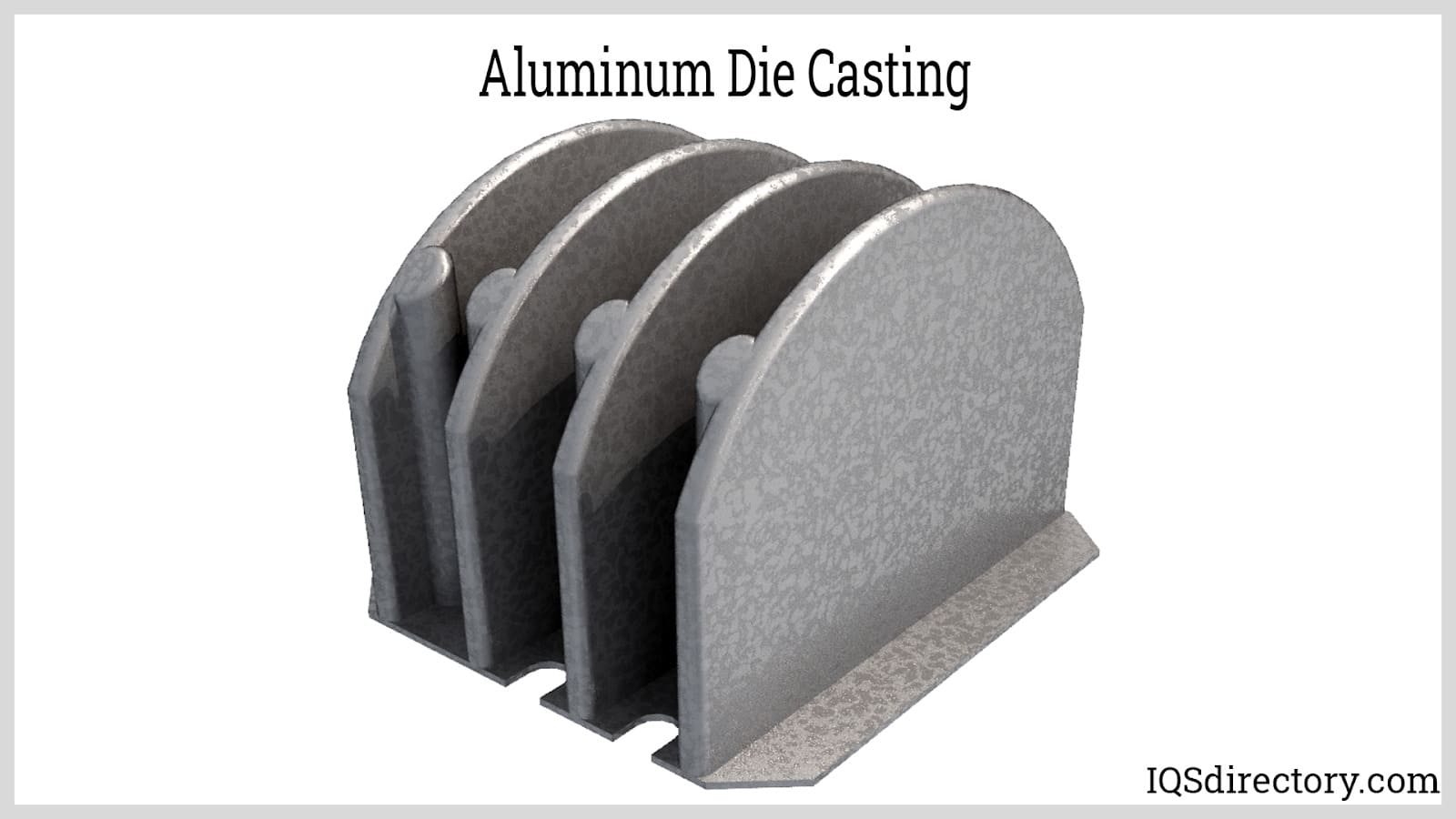 As the Aluminum Foundry market faces enhancing scrutiny over ecological effects, regulatory fads are progressing to promote sustainability and Aluminum Foundry Wisconsin lower carbon impacts. Federal governments and worldwide bodies are implementing more stringent discharges regulations and criteria aimed at restricting greenhouse gas outputs. These policies typically need factories to take on even more sustainable techniques, including energy-efficient modern technologies and waste administration protocols.
Market standards, such as those established by the International Organization for Standardization (ISO), are additionally acquiring grip. ISO 14001, as an example, stresses environmental administration systems, urging foundries to continuously improve their environmental performance (Aluminum Foundry). In addition, the introduction of eco-labeling efforts assists consumers determine items manufactured with lasting practices, better incentivizing foundries to conform with these criteria
In this context, adherence to developing laws and industry standards is not simply a conformity issue; it is ending up being indispensable to corporate technique and competitiveness in the Aluminum Foundry field.
The Duty of Technology in Driving Sustainable Practices
Amid progressing laws and sector standards, technology plays a critical function in improving sustainability within the Aluminum Foundry industry. Advanced production methods, such as 3D printing, make it possible for the manufacturing of facility parts with marginal waste. Digital devices, consisting of expert system and information analytics, maximize procedures, bring about power financial savings and lowered exhausts.
The look at more info combination of automation and robotics additionally enhances procedures, making sure exact control over material usage and reducing human mistake. Furthermore, the advancement of environment-friendly alloys and recycling technologies promotes source preservation, significantly lowering the carbon impact of factories.
Smart sensors and IoT tools assist in real-time tracking, enabling prompt changes to processes that boost energy efficiency. By leveraging these technical innovations, the Aluminum Foundry market is not only fulfilling regulative needs yet likewise setting a standard for sustainable techniques, eventually adding to a much more environmentally accountable industry.
Regularly Asked Questions
Just How Can Little Shops Embrace Lasting Practices Effectively?
Small shops can efficiently take on sustainable techniques by executing energy-efficient modern technologies, optimizing source monitoring, participating in waste decrease strategies, and promoting cooperation with industry companions to share ideal practices and technologies for environmental stewardship.
What Duty Do Consumers Play in Promoting Sustainability in Aluminum?
Customers substantially influence sustainability in Aluminum by prioritizing green products, demanding openness, and sustaining brands that adopt sustainable methods. Their selections can drive market trends, encouraging manufacturers to apply ecologically liable methods throughout the Aluminum supply chain.
Are There Financial Incentives for Sustainable Practices in This Market?
Financial rewards for sustainable practices in the Aluminum Foundry market include tax obligation breaks, gives, and reduced power prices. These rewards motivate firms to adopt environmentally friendly methods, ultimately benefiting both the setting and their profits.
Exactly How Does Sustainability Influence the High Quality of Aluminum Products?
Sustainability affects the top quality of Aluminum items by advertising cleaner production approaches and lowering impurities. Improved environmental techniques result in better material consistency, inevitably resulting in premium durability and performance of the last Aluminum elements.
What Is the Future Market Demand for Sustainable Aluminum Products?
The future market demand for lasting Aluminum items is anticipated to rise significantly, driven by consumer choice for environment-friendly products. Industries are progressively focusing on sustainability, affecting makers to adjust their methods to satisfy this growing demand.
Implementing recycling initiatives enables shops to reclaim Aluminum, lowering the need for virgin material and lessening energy usage. The Aluminum Foundry sector faces significant challenges regarding waste administration, particularly as the sector tries to improve its environmental performance. As the Aluminum Foundry industry looks for to lower its ecological footprint, technologies in power performance have arised as an essential emphasis. With innovations in energy performance leading the way for even more sustainable operations, waste reduction techniques have likewise gained traction in the Aluminum Foundry sector. Financial rewards for sustainable techniques in the Aluminum Foundry market include tax obligation breaks, grants, and reduced power prices.
Comments on “Highlighting Aluminum Foundry Wisconsin for manufacturing casting needs”